- Neurology
- February 10, 2026

Movement disorders require long-term observation and periodic treatment refinement. Small clinical changes can affect mobility, sleep, and quality of life.
Structured follow-up keeps therapy aligned with disease progression.
Parkinson’s disease and other movement disorders are chronic neurological conditions that require ongoing care. Regular follow-up is essential to monitor symptoms, adjust treatment, and maintain quality of life.
Consistent neurological evaluation helps ensure that therapy remains effective as the condition evolves over time.
Why Regular Follow-Up Is Important
Movement disorders are progressive in nature. Symptoms and treatment responses may change, making periodic assessment necessary.
Follow-up visits help to:
-
Monitor symptom progression
-
Adjust medication timing or dosage
-
Manage side effects
-
Evaluate mobility and balance
-
Address non-motor symptoms
-
Improve overall daily functioning
Early adjustments in treatment can significantly improve long-term outcomes.
Monitoring Motor Symptoms
In Parkinson’s disease and similar disorders, motor symptoms may include:
-
Tremors
-
Slowness of movement (bradykinesia)
-
Muscle stiffness (rigidity)
-
Balance difficulties
-
Changes in walking pattern
During follow-up, neurologists assess how these symptoms respond to medication and whether new symptoms have appeared.
Addressing Non-Motor Symptoms
Parkinson’s and movement disorders also affect non-motor functions, which are often overlooked.
These may include:
-
Sleep disturbances
-
Mood changes (anxiety or depression)
-
Memory or concentration issues
-
Constipation
-
Speech or swallowing difficulties
Identifying and managing these symptoms improves overall well-being.
Medication Optimization
Medications for Parkinson’s disease often require careful timing and dosage adjustments. Over time, patients may experience:
-
Wearing-off effects
-
Fluctuations in symptom control
-
Involuntary movements (dyskinesia)
Regular follow-up allows for tailored medication plans that balance effectiveness and side effects.
Rehabilitation and Supportive Therapies
Comprehensive care includes more than medication. Follow-up may involve referral to:
-
Physical therapy to improve strength and balance
-
Speech therapy for communication and swallowing
-
Occupational therapy for daily activities
-
Nutritional counseling
Early rehabilitation support can slow functional decline.
Advanced Treatment Considerations
In selected cases, advanced therapies such as infusion treatments or deep brain stimulation may be discussed. Regular follow-up ensures timely evaluation for these options when appropriate.
Partnering in Long-Term Care
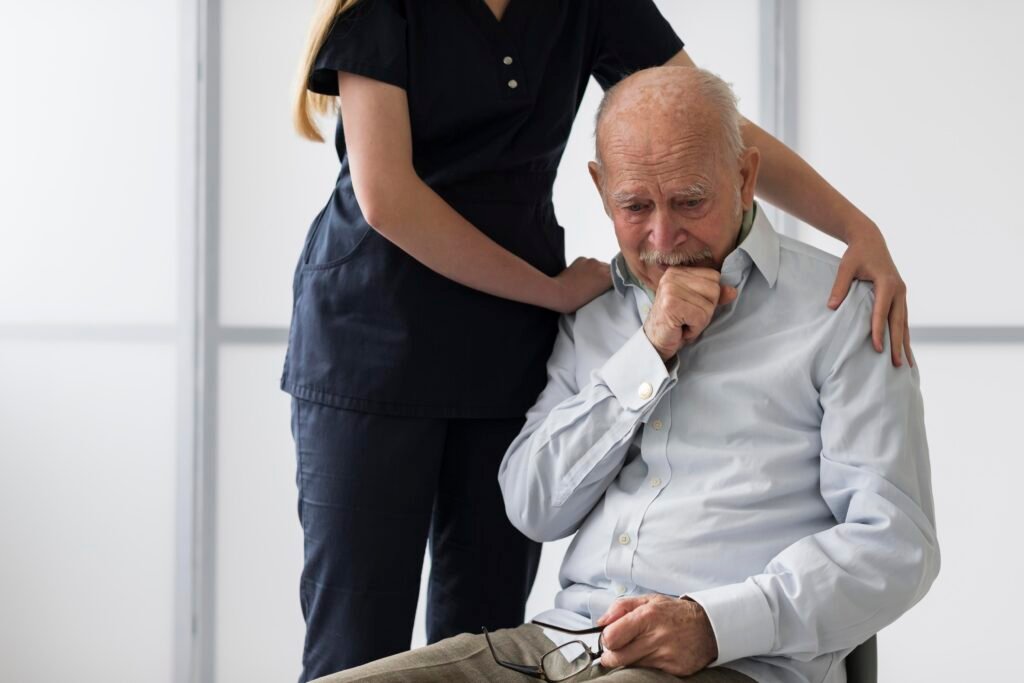
Living with Parkinson’s or another movement disorder requires ongoing partnership between the patient, family, and neurologist. Open communication during follow-up visits allows concerns to be addressed early and care plans to be adjusted effectively.
Final Thought
Regular follow-up is a cornerstone of managing Parkinson’s disease and movement disorders. Proactive monitoring, medication adjustments, and supportive therapies help maintain independence and enhance quality of life.
Ongoing neurological care ensures that treatment evolves with the patient’s needs — providing stability, support, and better long-term outcomes.